
why would you want to read about this?
月日: 2026年-03月-06日
ok so today i read about how plants make new plant babies.... uhhh its not really that insteresting a topic so my explanation will be very shitty. like i dont remember any of the specific names of the thingies IDk ill try my best but this will be very surface level. just so i dont forget Everything
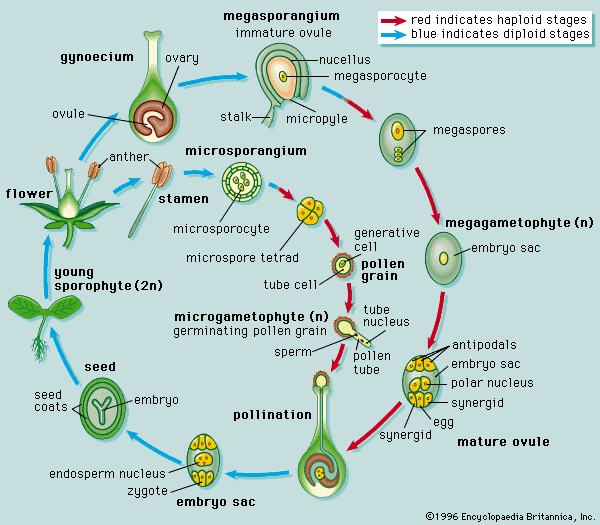
ok baby. so. i will be using the above image as a little guide but ill explain it to the best of my abilities with my own stupid words.
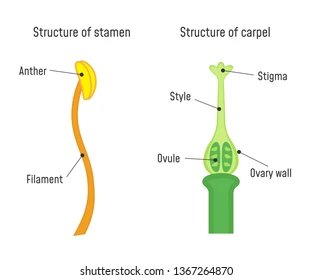
so it all starts with the flower. the flower has this bit of it thats called the stamen. its the boy parts of the flower. and then theres the carpel too. thats the girl parts. the stamen is divided into 2 parts: the filament(dumb stupid dumb dumb useless part) and the anther(cool part). if im not mistaken each anther is divided into 4 parts called microsporangiums. i think. and in a microsporangiums there are a whole bunch of microsporocytes(2n). the microsporocite then divides itself through miosis to make four microspores. one of those will go on to become a pollen grain which will then go on to become 2 spermatic cells. one tube cell. and one generative cell. the tube cell will make a path for itself and the generative cell throgh another flowers style when it gets polinated into action, at which point itll keep going down the pollen tube until reaching its destination
meanwhile this whole time there was work happening in the carpel too. the carpel is divided into a couple parts too yes. the stigma(the entrance for pollen) the style(the bridge) and the ovary(where the ovules reside). in the ovary theres a megasporangium(2n) that divides through meiosis to form 4 megaspores(n)(of which likely only one will survive). from there the megaspore does mitosis thrice until it creates a cell with 8 nuclei which goes on to be divided by membranes to form the embryo sac. from there a process that i didnt quite understand is gonna make it so these cells get arranged into 2 3-cell antipodals and 2 polar nuclei that sit in the middle.
then now is when the magic happens. see how so far we have to parts of this equasion. the embryo sac (n) and the generative cell (n). upon polinization and the encounter of one with the other theyre gonna join together to form a zygote. woahhh (2n). oh also idk if i mentoned that but there are gonna be 2 spermatic nuclei that are gonna enter the embryo sac so 2 things are gonna get fertilised, one the zygote(2n) and one the future endosperm(3n). from there yadda yadda the embryo sac is gonna harden and dry up and go through a whole process to become the seed thats eventually gonna germinate and restart the proces aaaaaaaaaaallll over again . :-)
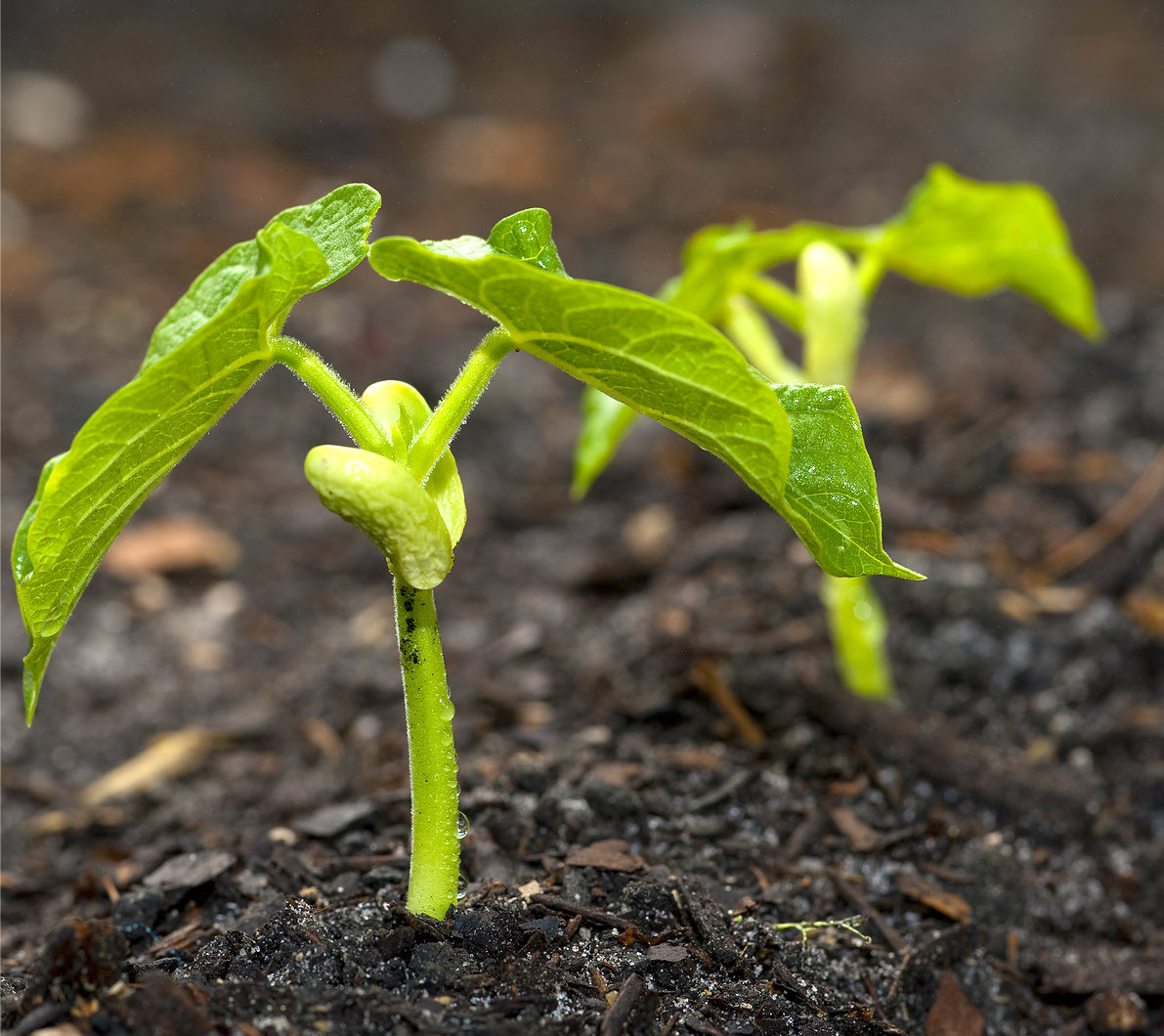
i havent studied this part yet but maybe someday ill sit here and tell you about exactly how the seed gets formed. maybe someday ill give a better explanation as to how plant(angiosperm) sex workds too
月日: 2026年-03月-04日
*gulps down a bottle of nondescript alcohol and slams it down on table* buhhhh ok lets make this quick cause i wanna take a nap soon
so we have the cell right. the smallest single unit of life that can have its own metabolism. thats a cell. and in nature we have a whole two major categories of cell. thats Eukaryotes and Prokaryotes. the prokariotes are smaller dumber stupider so ill talk about them first. Afterward ill try to say everything most important about the way cooler Eukaryotes.
yaaaaaaaaaaawwwn ok so. whats with that classification anyway Right. i meannn what do those names even mean. well Prokaryote comes from pro- which means Before and the greek karuon which means Kernel. idk. anyway what that means is that the cells in here are from a point in the evolutionary tree of life from before lifeforms had a little thing called a nucleus. no nucleus here Nuh uh. at least not one thats enveloped & defined by a membrane. nuh uh uh instead the genetic material in prokaryotes are just kinda strewn around in the citoplasm. kinda. see they are packed together in the middle of the cell in a region called the nucleoid. So like kinda a pseudo nucleus.
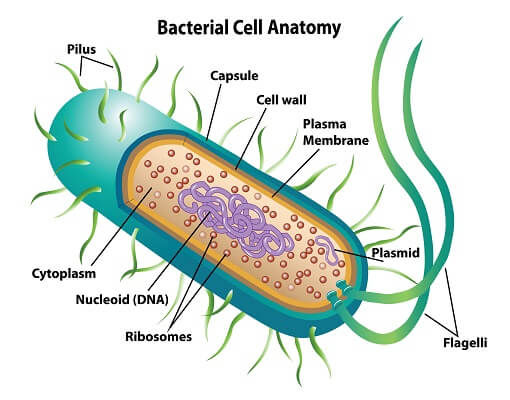
in the citoplasm of the prokaryotes we also have something called Plasmids(which are extrachromosomal rings of DNA that can replicate independently) and ribosomes which As We Know are extremely important for protein synthesis in all forms of life . :-) so thats what we find in the cytoplas,m. and all thats being held together with a plasma membrane(a Lot of functions) a cell wall(for protection) and a capsule(for more protection). im tiredddd so im not gonna gete into the specifics of any of those 3.OK. Whatever. look at the image i put up there theres also those little hairs called pili(singular pilus). theyre there for mainly adhesion to surfaces(which facilitate bacterial colonisation) + transfer of DNA between bacteria that reproduce sexually
uhhhhh ok i think thats all one needs to know about Prokaryotes so why dont i tell you about Eukaryotes now. thats me!!! and you. and all animals and plants and fungi and algae too. isnt that awesome
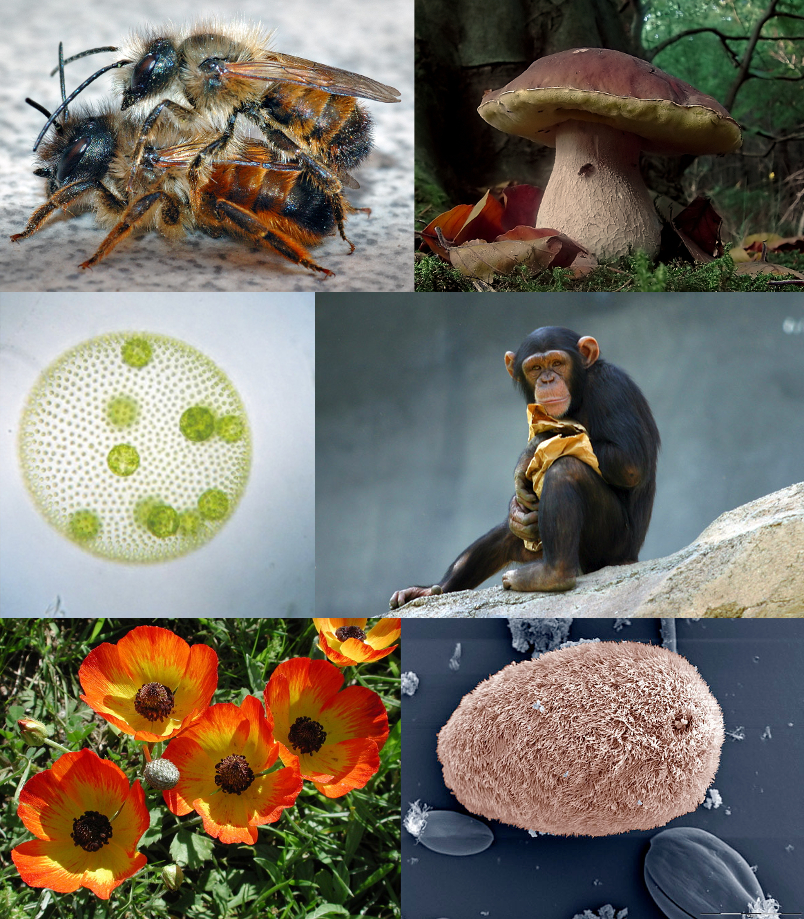
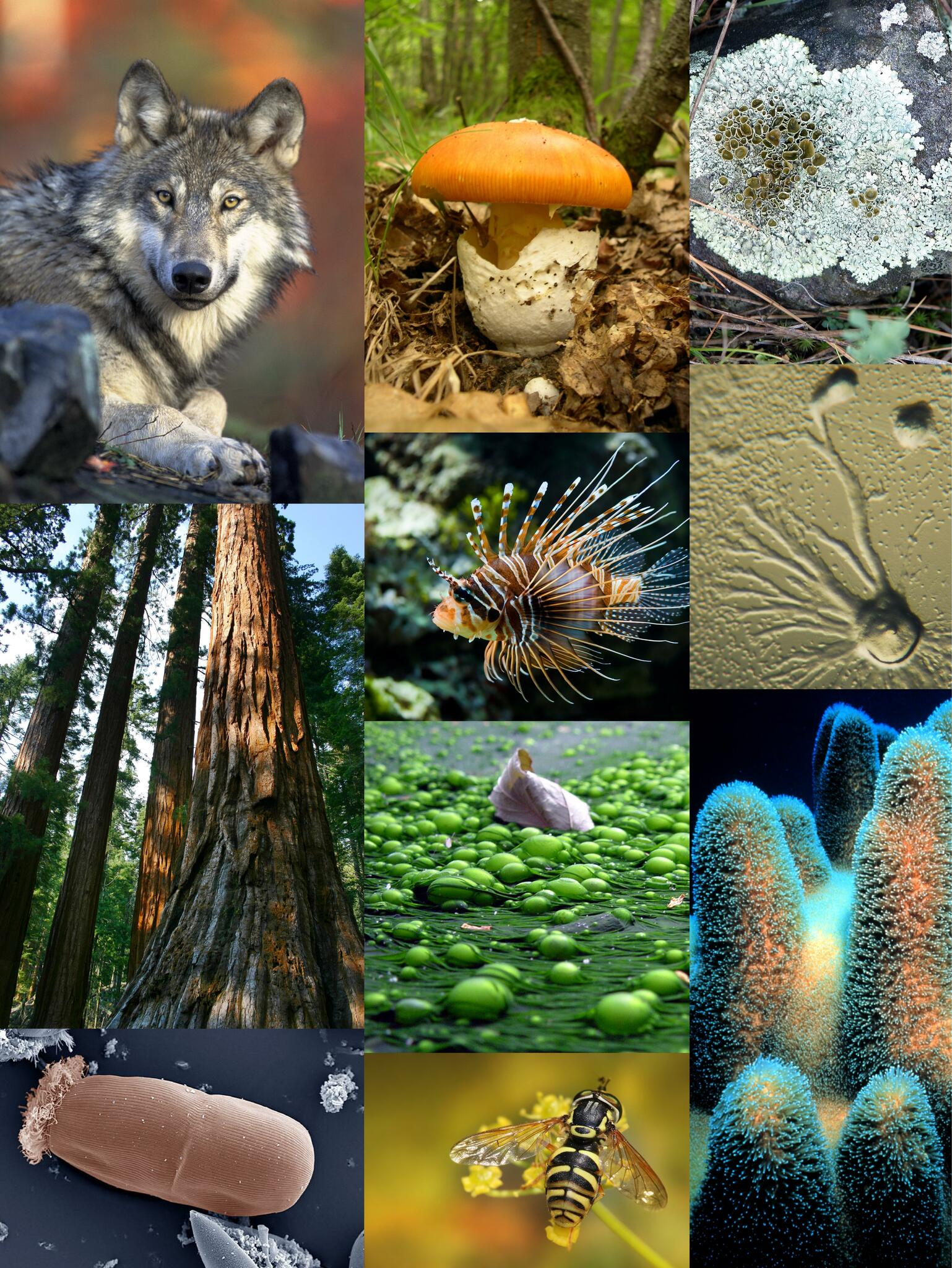
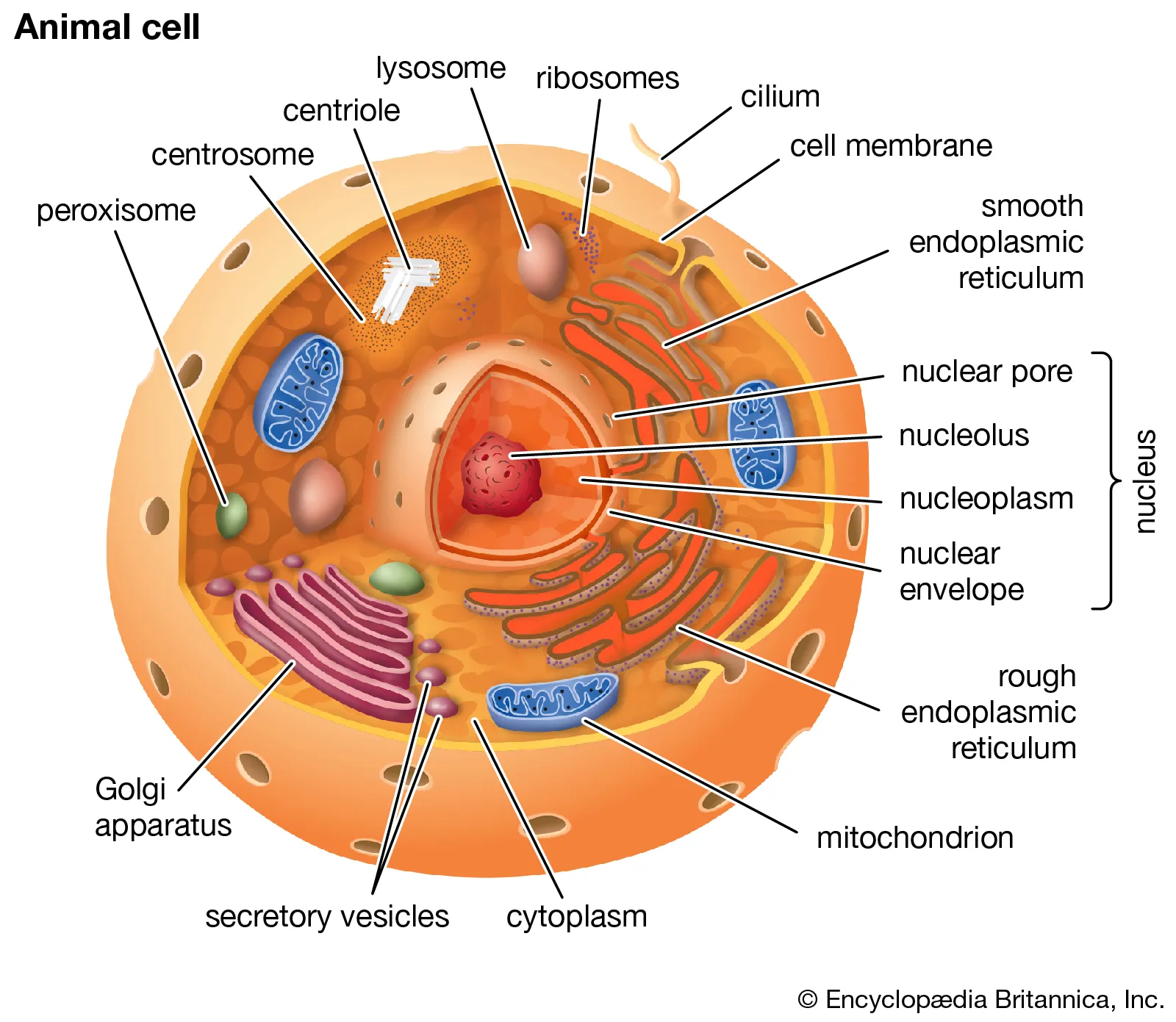
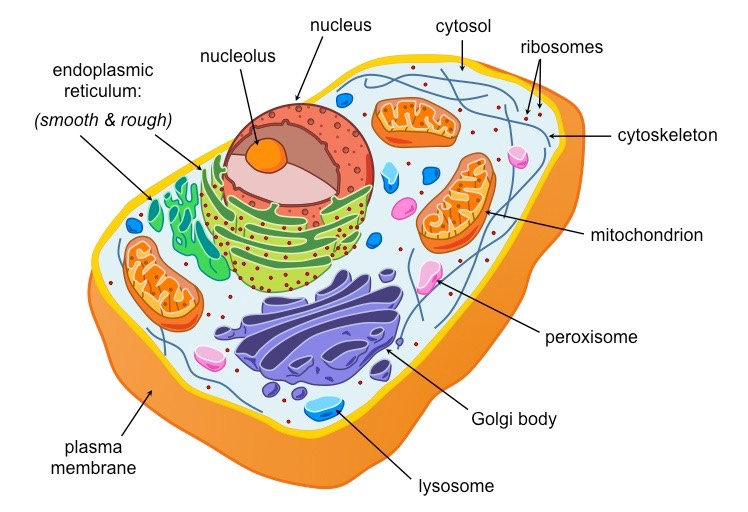
ok hmm well lets see Where do i start. OK. we can start off by talking about how the Eukaryotes have a nucleus. thus their name; eu- meaning True and karuon meaning kernel. true kernel. the kernel in question being the nucleus thats defined by a membrane. the nucleus is the big guy in your cell, its the guy that ensures that everything is happening and happening correctly; its where all your genetic material(in the form of chromosomes) is stored OK. the nucleus also has something inside it called a nucleoulus or howeverver you spell it. its where the ribosomes & rRNA are produced and assembled.
ok now ive already talked about the one thing that Really differentiates an eukaryote from a prokaryote. now for everything else that makes the eukaryotic cell such an impressive unit of life; its the Organelles. its the goddamn organelles and theres so many of them. ill try to make this quick OK. though its impossible
first off,. the endoplasmatic reticulum(ER). theres the smooth(SER) and the rough(RER). lets go over the RER first cause its functions are easier to wrap your head around. the Rough Endoplasmic Reticulum is called that because its got a bunch of little pebbles embedded into it. do you know what those pebbles are. theyre ribosomes!!! and as we know ribosomes synthetize protein. you might have picked up where this is going already. the RER, having all those ribosomes attached to it, will naturally have as its function the production of proteins but heres the catch. the RER specializes in the production of proteins for secretion. think of an organ in your body that secrets some kind of subtance. like the pancreas with insulin. the pancreatic cells will have a looooooottttt of RER because they need to produce and secrete a lot of insulin. Cool? cool. those proteins are produced in the cisternae of the RER and transported through something we call a transport vesicle. which is a little sack thatll treverse the cytoplasm and carry its contents to the extracellular matrix(or to other places too but we might get to that later_). wrapped your head around the RER yet? cool cause now we talk about the SER. thats the Smooth Endoplasmic Reticulum. the SER has no ribosomes embedded into it and thus isnt capable of producing proteins, instead it synthesizes lipids, works in detoxification(in the liver. specifically it attaches a hydroxy(-OH) to a molecule of a certain toxin, thus making it more soluble in water), stores calcium ions(important in muscle contraction! muscles contract when the sarcoplasmic reticulum gets emptied of calcium ions yknow), metabolizes carbohydrates & produces steroid hormones(trhat are derived from colesterol! so dude is all over the place with lipids). kinda insane how much tyhis guy does all on its own and he still gets overshadowed by his cooler brother.
wow look at how much ive already written. and i havent managed to talk about half of what i wanted to. a shame. ill go have dinner and jerk off a little and ill be back later maybe OK